Amidala: A Handwritten Script That Brings Character and Vibrancy to Every Design
In the crowded world of typography, finding a font that feels both personal and professional can be a challenge. Many handwritten scripts lean too far toward the casual side, losing readability, while others are so polished they lose the human touch. Enter Amidala — a cool handwritten script full of character, vibrancy, and surprising versatility. Whether you're designing a wedding invitation, a brand logo, a social media graphic, or a digital product interface, Amidala offers that warm, handcrafted feel without sacrificing clarity. This article will walk you through everything you need to know about this font: what makes it special, where it shines, how to pair it, and why it deserves a spot in your design toolkit.
What Is Amidala? A Script That Balances Personality and Readability
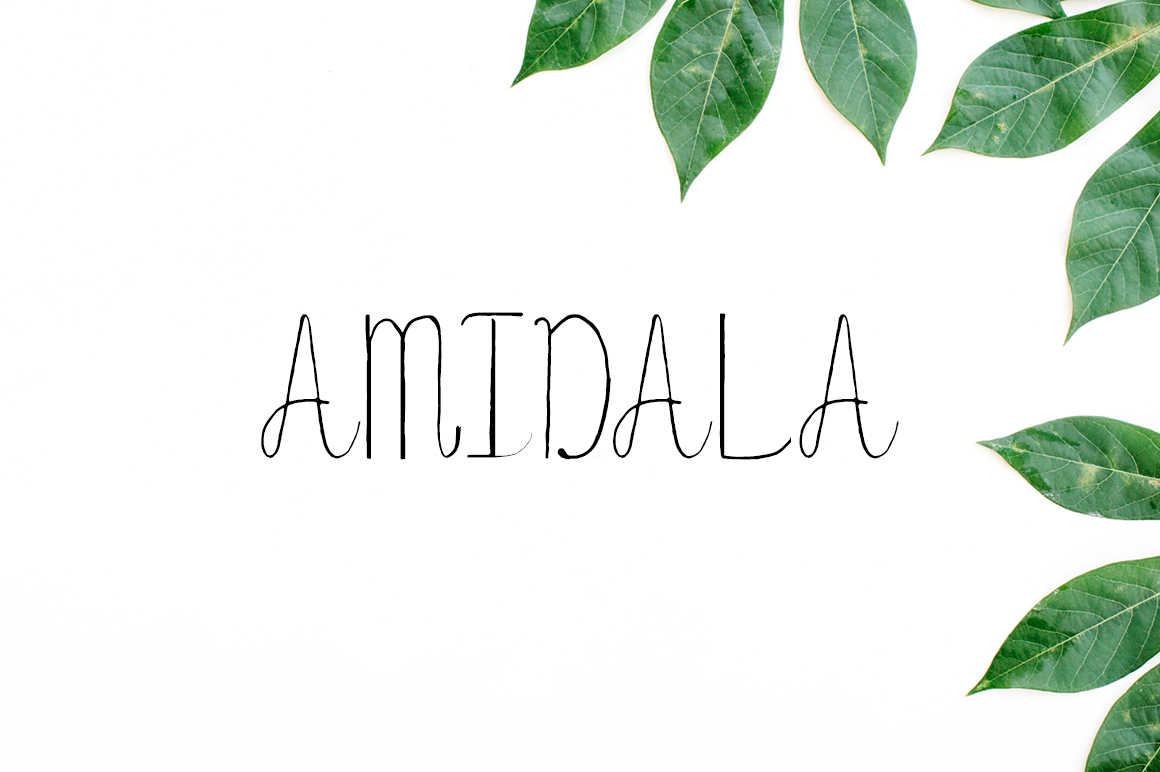
At its core, Amidala is a handwritten script typeface designed to evoke the natural flow of pen on paper. Unlike many script fonts that feel stiff or overly decorative, Amidala strikes a careful balance: each letterform carries the organic irregularities of real handwriting — slight variations in stroke width, gentle curves, and a relaxed rhythm — while remaining crisp enough for body text and headings alike.
The font draws inspiration from modern calligraphy but avoids the ornate flourishes that can make a script feel dated. Instead, it focuses on clean, approachable letter shapes that feel contemporary and fresh. This makes Amidala especially effective for projects that need to communicate warmth, approachability, or a personal touch.
Key Characteristics of the Amidala Font
- Organic letterforms: Each character has a slightly irregular, hand-drawn quality that makes text feel authentic and human.
- Moderate contrast: Stroke thickness varies naturally, giving the font depth without overwhelming the reader.
- Legible spacing: Letter and word spacing are carefully tuned so that even long passages remain easy to read.
- Versatile weight: Amidala is typically available in one or two weights, making it easy to use for both display and body purposes.
- Extended character set: Supports multiple languages and includes ligatures for smoother reading.
Why Choose a Handwritten Script? The Purpose and Significance of Fonts Like Amidala
Fonts are more than just letters — they carry emotional weight. A handwritten script like Amidala signals humanity, creativity, and care. In a digital world dominated by clean sans-serifs and mechanical typefaces, introducing a handwritten element can make a design feel more personal and approachable.
Think about the difference between a typed thank-you note and one written by hand. The latter feels more sincere, more intentional. Amidala brings that same quality to digital and print design. It helps brands and creators connect with audiences on an emotional level, which is especially valuable in contexts like:
- Personal branding and portfolios
- Event invitations (weddings, parties, celebrations)
- Social media quotes and stories
- Children's books and educational materials
- Packaging and product labels
- Blog headers and website hero sections
The Role of Script Fonts in Modern Branding
Brands today are constantly looking for ways to stand out. A unique script font can become a signature element of a brand's visual identity. Amidala, with its cool and vibrant personality, is especially well-suited for brands that want to convey modernity with a human touch. It works beautifully for lifestyle brands, creative agencies, boutiques, and even food and beverage packaging, where a handcrafted feel aligns with artisanal values.
Practical Applications: Where Amidala Shines
One of the most compelling reasons to add Amidala to your collection is its extreme versatility. While some handwritten scripts are limited to specific use cases, Amidala adapts to a wide range of design contexts. Here are some of the most effective applications:
1. Branding and Logo Design
Amidala can serve as the cornerstone of a brand's visual identity. Its friendly, approachable character makes it ideal for logos that need to feel personal. Whether you're designing for a coffee shop, a yoga studio, or a freelance creative, Amidala adds warmth and memorability. Pair it with a clean sans-serif for a balanced, professional look.
2. Wedding Invitations and Event Stationery
Handwritten scripts are a natural fit for invitations, and Amidala's readability sets it apart. Unlike overly ornate calligraphy fonts that can be difficult to read, Amidala keeps the romantic charm while ensuring that names, dates, and locations are clear at a glance. Use it for the main headline and a complementary serif or sans-serif for body details.
3. Social Media Graphics
In the fast-paced world of social media, grabbing attention is everything. Amidala's vibrant, handcrafted look helps quotes, announcements, and promotional graphics stand out in crowded feeds. It pairs especially well with soft pastels, earthy tones, and natural imagery.
4. Digital Products and App Interfaces
While handwritten fonts are less common in UI design, they can be used effectively for headers, onboarding screens, and call-to-action buttons to add personality. Amidala's legibility makes it a good candidate for these applications, especially when used sparingly alongside a more neutral body font.
5. Packaging and Product Labels
Products that want to communicate a handmade or artisanal quality benefit greatly from Amidala. Think candles, skincare, gourmet foods, or craft beverages. The font's organic feel reinforces the idea that the product was made with care.
6. Educational and Children's Materials
Because Amidala resembles real handwriting, it can be used in educational contexts to create materials that feel friendly and accessible. Worksheets, storybooks, and classroom posters all benefit from its approachable aesthetic.
How to Pair Amidala with Other Fonts for Maximum Impact
Like any handwritten script, Amidala works best when it's not the only typeface in your project. Pairing it with complementary fonts helps create visual hierarchy and prevents the design from feeling too informal. Here are some pairing strategies:
Classic Sans-Serif Pairing
Combine Amidala with a clean, modern sans-serif like Montserrat, Open Sans, or Lato. Use the script for headlines or key phrases, and the sans-serif for body text. This combination feels contemporary and balanced.
Elegant Serif Pairing
For a more sophisticated look, pair Amidala with a classic serif like Playfair Display, Merriweather, or Georgia. The contrast between the freeform script and the structured serif creates visual interest and works beautifully for invitations or editorial designs.
Minimalist Pairing
If you want the script to take center stage, pair it with a simple, neutral font like Inter, Karla, or Source Sans Pro. Keep the palette minimal and let Amidala carry the personality.
Tips for Successful Pairing
- Limit your fonts: Use no more than two or three typefaces in a single project to avoid visual clutter.
- Respect hierarchy: Use the script for primary messages, and simpler fonts for supporting text.
- Watch the spacing: Script fonts often need extra letter-spacing (tracking) when used in all caps.
- Test at different sizes: Make sure your pairings work at both large and small sizes.
Common Misunderstandings About Handwritten Script Fonts
Despite their popularity, handwritten fonts are sometimes misunderstood. Let's clear up a few common misconceptions:
Misunderstanding 1: Handwritten fonts are only for casual projects
Reality: While they do bring a casual feel, fonts like Amidala can be used in professional contexts when paired correctly. A well-chosen script can add warmth to a corporate brand or personality to a high-end product.
Misunderstanding 2: Script fonts are hard to read
Reality: This is true of some overly ornate scripts, but not Amidala. Its design prioritizes legibility without sacrificing character. It's a great choice for readers of all ages.
Misunderstanding 3: You should use a script font for long body text
Reality: Most script fonts, including Amidala, are best used for headlines, subheadings, and short phrases. For long paragraphs, stick with a serif or sans-serif to avoid reader fatigue.
How to Add Amidala to Your Font Collection
Adding a versatile handwritten script like Amidala to your font library is a smart move for any designer, marketer, or content creator. Here's how to get started:
- Find a reputable source: Look for Amidala on trusted type foundries or font marketplaces. Ensure you're downloading a licensed version.
- Check the license: Some fonts are free for personal use but require a license for commercial projects. Be sure to read the terms.
- Test it in your project: Before committing, try Amidala in mockups or design software to see how it performs at different sizes and on different backgrounds.
- Explore alternatives: If you like the style but need something slightly different, look for similar fonts that match your project's tone.
Final Thoughts: Why Amidala Deserves a Place in Your Toolkit
Typography is one of the most powerful tools in a designer's arsenal, and a great script font can transform a project from ordinary to memorable. Amidala is a cool handwritten script full of character and vibrancy — a font that is a great choice for a handwritten look and to soften any range of designs. Its versatility means you can use it across branding, invitations, social media, packaging, and more, without ever feeling like you're forcing the style.
If you're looking for a font that brings warmth, personality, and a handcrafted feel to your work, add Amidala to your collection today. Whether you're a seasoned designer or just starting your creative journey, this font will quickly become a go-to in your typography toolkit.
Explore the possibilities of Amidala and discover how a single typeface can elevate your next project. Download it, test it, and see how its cool handwritten character brings your ideas to life.